Business Case
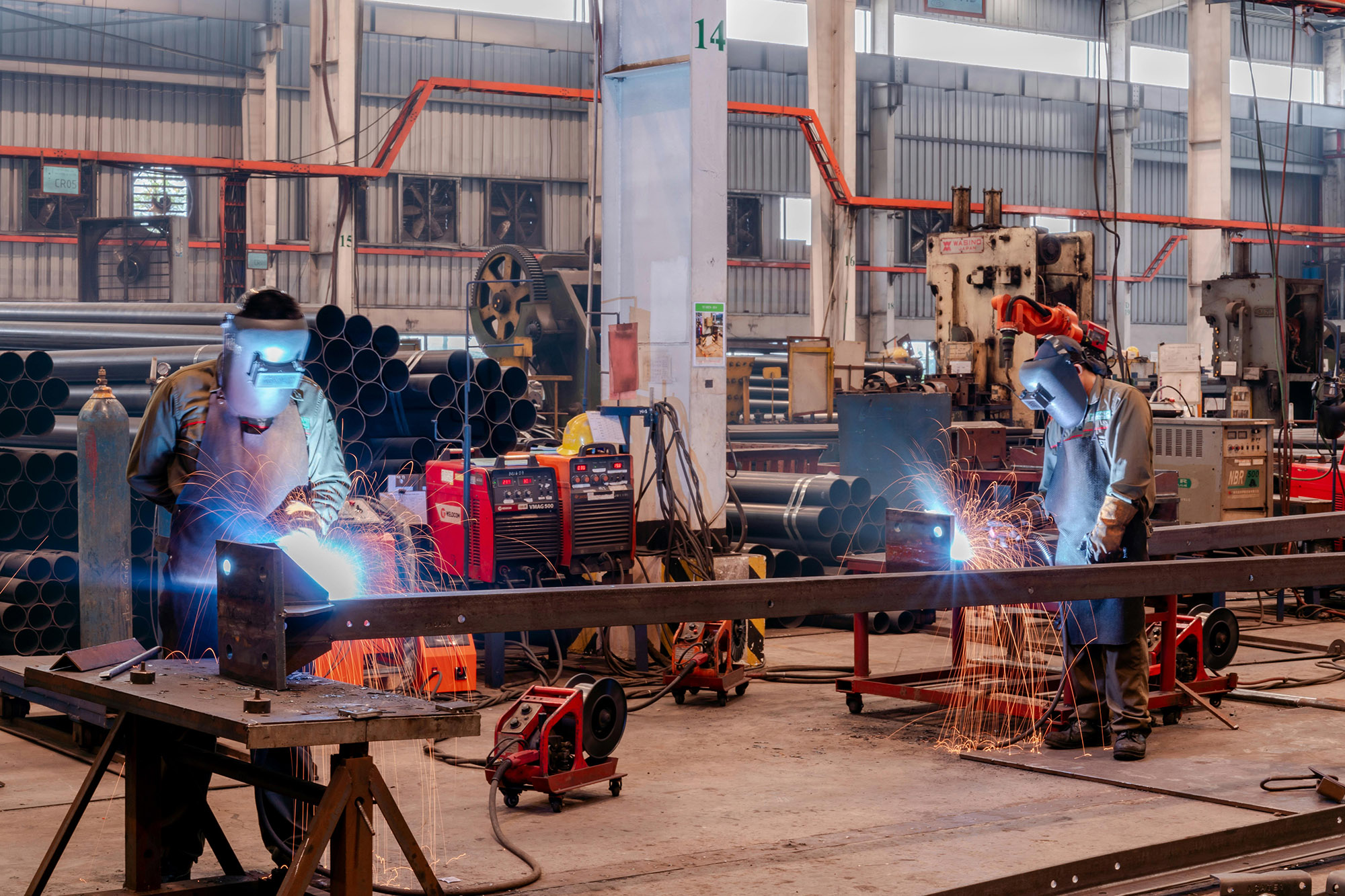
An industrial equipment manufacturer producing cooling towers, refrigerated air dryers, heat exchangers, and radiators served multiple industrial sectors. Refrigerated air dryers represented nearly 50% of the company’s product volume and were assembled in two dedicated production cells.
Each assembly cell produced 7 units per day, which limited the company’s ability to meet growing customer demand. The goal was to double the production capacity to 14 units per day per cell while reducing work‑in‑progress inventory and improving utilization of shopfloor space.
Current State Observations
To understand the operational challenges and identify improvement opportunities, our team conducted a diagnostic study and value stream mapping of the air dryer assembly process.
- The assembly process had a throughput time of about 1255 minutes while the actual work content was only 194 minutes, resulting in a very low value‑adding ratio.
- Large work‑in‑progress inventory accumulated before electrical assembly and testing stages, disrupting flow and increasing waiting time.
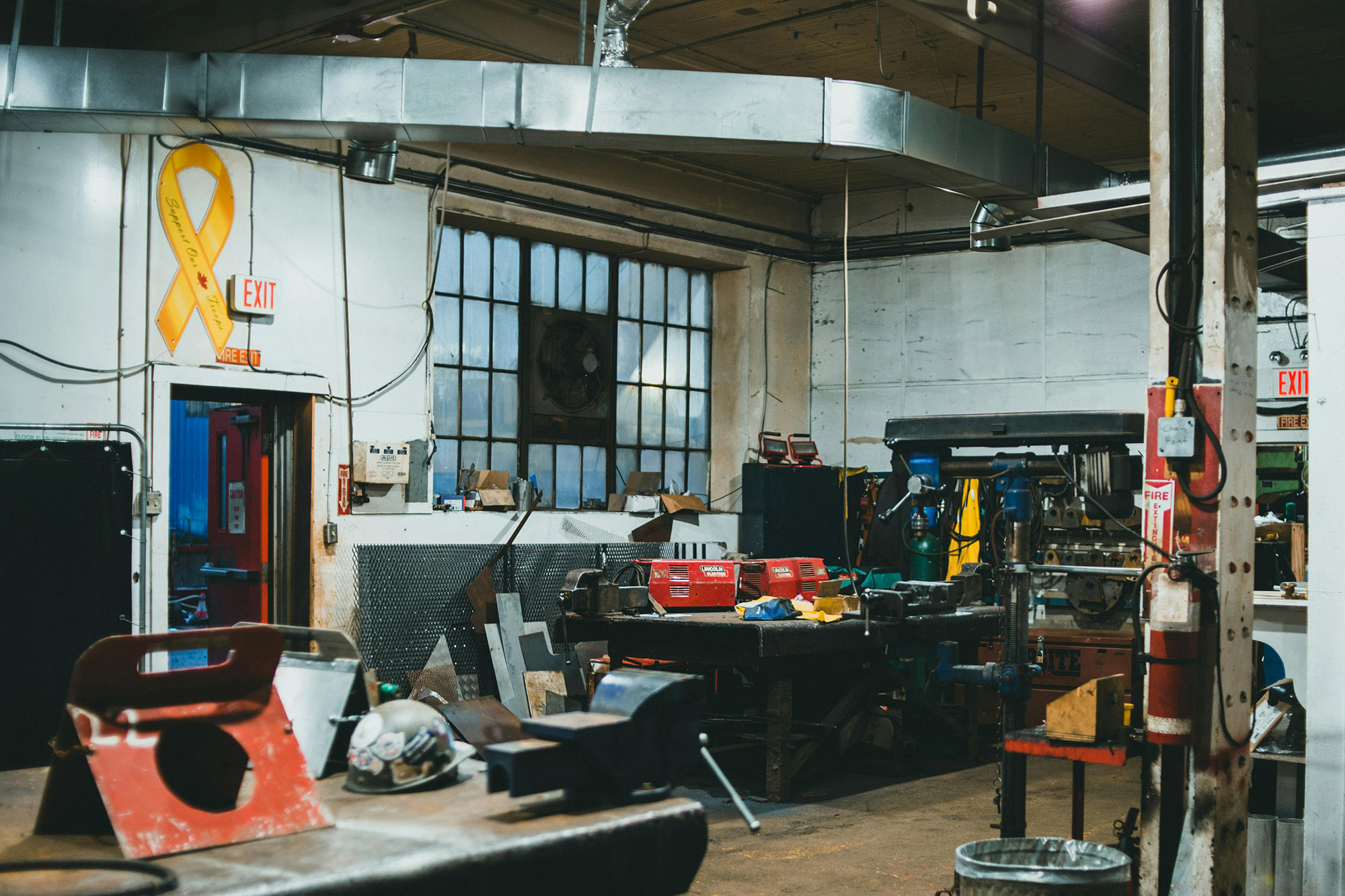
- Shopfloor space utilization was poor, with only a small portion of the floor used for value‑adding activities while materials and semi‑finished units occupied most of the area.
Solution Synopsis
- Value stream mapping and structured Lean workshops were used to identify bottlenecks and eliminate waste across the assembly value stream.
- The assembly layout was redesigned from a U‑shaped cell to a straight‑line flow, enabling FIFO production and significantly reducing material movement.
- Dedicated workstations and pre‑assembly processes were introduced to reduce operator movement and support takt‑based production.
- A “No Kit, No Start” concept was implemented to ensure all components were available before assembly and to prevent semi‑finished units from blocking the production line.
- 5S, kaizen improvements, and pull‑based material management were introduced to sustain standard work and maintain stable production flow.
Outcomes
Lean improvements significantly improved production flow, reduced cycle time, and enabled the company to scale manufacturing capacity using the existing infrastructure and workforce.
Before
- Assembly cycle time was about 68.5 minutes, creating bottlenecks that limited throughput.
- Material movement within the shopfloor exceeded 1000 feet, increasing handling time and operator effort.
- Production capacity remained limited to 7 air dryers per day per assembly cell.
After
- Assembly cycle time reduced by about 50% to roughly 34 minutes, enabling takt‑based production.
- Material movement reduced by about 50%, improving flow and workspace clarity.
- Production increased from 7 units per day per cell to 20 units per line, dramatically expanding manufacturing capacity.