Business Case
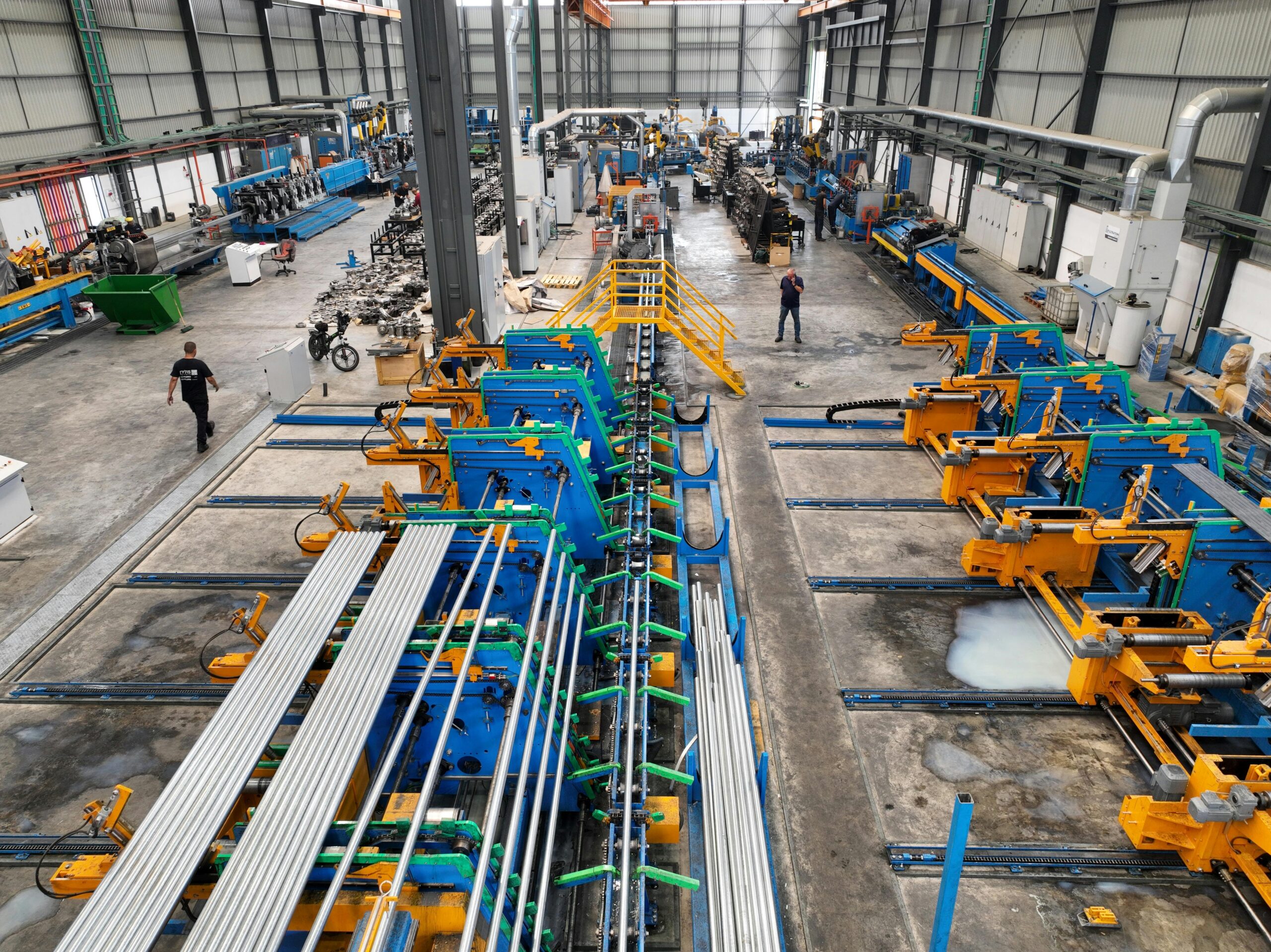
A leading foundry in South India producing castings for pumps, valves, windmills, tractors, and general engineering applications was facing margin pressure due to rising raw material prices and growing competition from imports. The company’s competitive advantage lay in handling small batch orders and customizing castings for different applications.
To sustain its market position without changing its business model, the goal was to focus on improving operational efficiency and product quality through Lean manufacturing practices.
Current State Observations
To identify improvement opportunities, our team conducted diagnostic studies and value stream mapping of the foundry’s major production streams.
- The value‑adding ratio in the production process was only about 3% due to excessive work‑in‑progress inventory and long waiting times.
- The fettling process became a major bottleneck, contributing 4–7 days out of the total manufacturing lead time of around 8 days.
- Material handling was highly inefficient, with castings traveling nearly 370 meters between operations and being handled multiple times manually.
Solution Synopsis
- The fettling area layout was redesigned to position workstations next to each other, reducing unnecessary movement and handling.
- A single‑piece flow system was established across fettling operations to eliminate large piles of work‑in‑progress between processes.
- In‑box and out‑box control zones were introduced to regulate WIP and maintain process flow.
- 1S workplace organization activities freed up space and improved layout efficiency.
- Dynamic line balancing enabled supervisors to allocate operators and machines based on product type and cycle times.
- Root cause analysis and process control improvements were implemented to reduce casting rejection.
Outcomes
Lean implementation significantly improved process flow, productivity, and delivery performance.
Before
- Fettling operations took 4–7 days, creating a major bottleneck before dispatch.
- WIP accumulated in the fettling section, reaching nearly 7 days of production.
- Material handling involved multiple manual movements and long travel distances.
After
- Throughput time in fettling reduced from 4–7 days to 1 day (82% reduction).
- WIP in fettling reduced from 7 days to 2 days (72% reduction).
- Process throughput increased from 150 kg/hour to 350 kg/hour.